Inconel 625 vs. Hastelloy C-276: Which Alloy for Your Service?
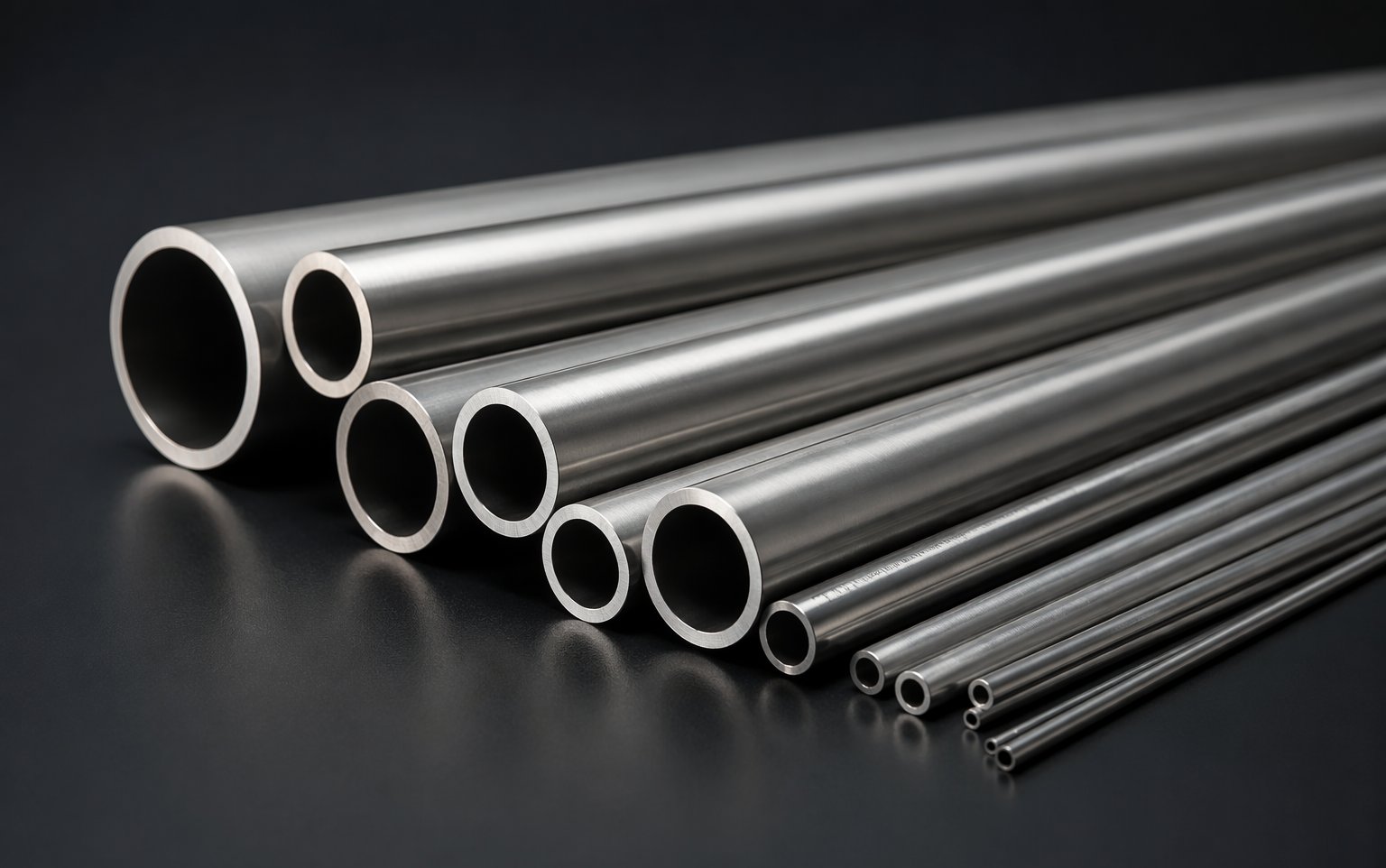
These are the two alloys buyers compare most often — and the two most often mis-specified. Both are nickel-chromium-molybdenum workhorses, but they were designed for different enemies. Here's how to choose without overspending or under-protecting.
The chemistry difference that decides everything
Inconel 625 (UNS N06625) carries 8–10% molybdenum and 3.15–4.15% niobium. The niobium is the key: it strengthens the matrix by solid-solution hardening, giving 625 its remarkable strength without any heat treatment. Hastelloy C-276 (UNS N10276) drops the niobium and raises molybdenum to 15–17% plus 3–4.5% tungsten. That extra Mo and W buy it near-immunity to the most aggressive chemical environments.
- Choose 625 when you need strength and corrosion resistance together — subsea hardware, marine exhausts, aerospace ducting, high-pressure systems. Yield 414 MPa, service to 982 °C.
- Choose C-276 when corrosion is the only enemy and it's a bad one — wet chlorine, hypochlorites, ferric chloride, mixed oxidizing/reducing acids. PREN ≈ 68 vs 625's ≈ 51.
Strength and temperature
625 wins decisively on strength: 414 MPa minimum yield vs 355 MPa for C-276, and it holds useful strength past 800 °C. C-276 is actually rated for higher maximum temperature on paper (1040 °C), but in practice it's chosen for corrosion, not heat — at high temperatures its strength advantage over 625 disappears.
Corrosion: the honest comparison
In clean seawater and chloride service, 625 is already overqualified — pitting and crevice corrosion resistance is excellent and it costs less. Move into flue-gas desulfurization, bleach plants, or mixed acid streams and C-276 earns its premium. If your 316L is failing and you're stepping up, ask yourself: is it pitting (either works, 625 is cheaper) or general/mixed-acid attack (C-276)?
Weldability and fabrication
Both weld beautifully with matching filler (ERNiCrMo-3 for 625, ERNiCrMo-4 for C-276). 625's niobium makes it slightly more prone to microfissuring on heavy restraint — nothing a competent weld procedure can't handle. Both form and machine similarly: tough, work-hardening, but predictable.
Cost
C-276 typically runs 15–25% above 625, driven by molybdenum and tungsten content. Don't pay it unless your environment demands it — and don't save it if your environment does. A corroded reactor costs more than the alloy delta.