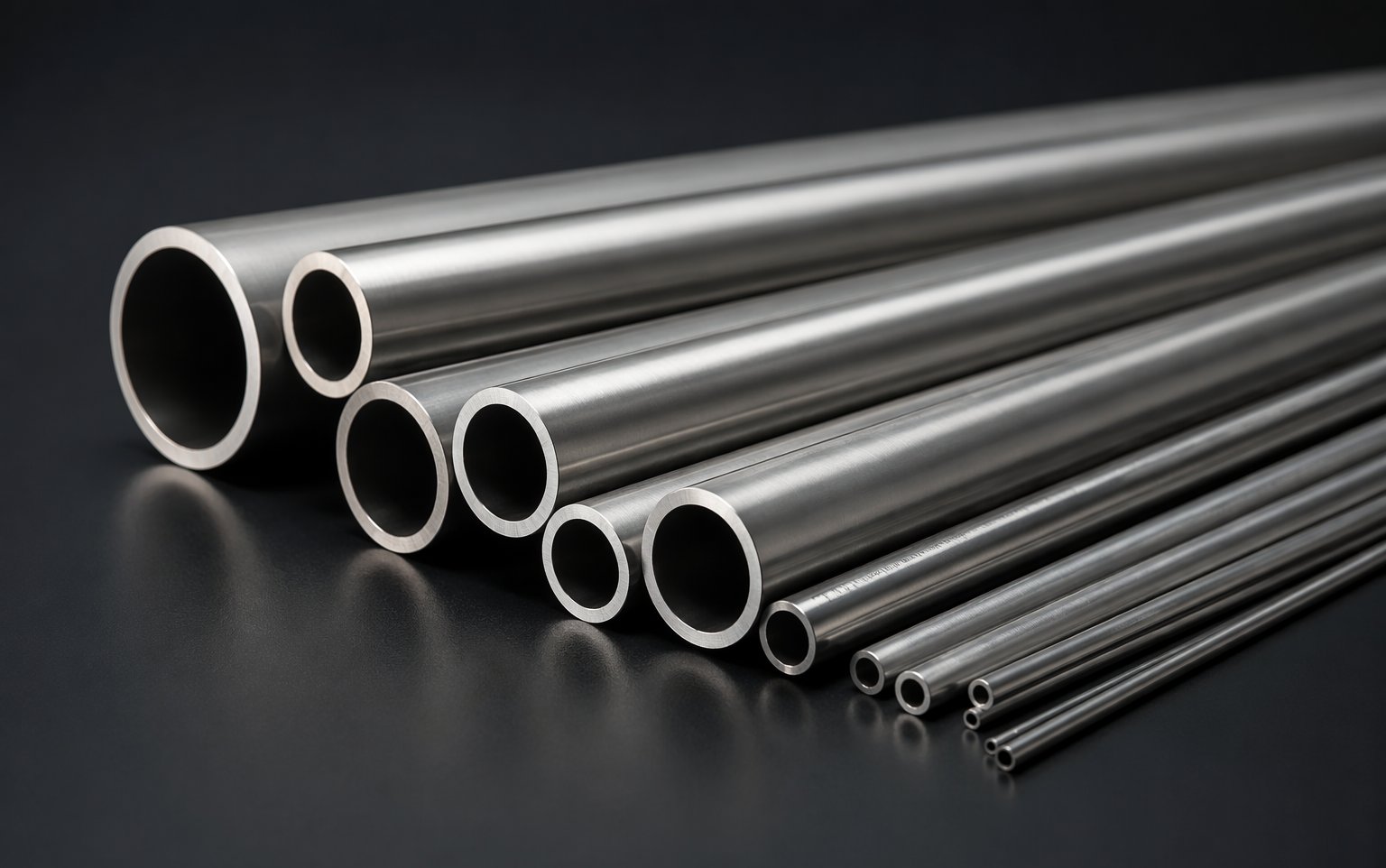
Monel 400 vs. Inconel 625 for Marine Service: Which One Survives Seawater?
Both are marine legends — but they fight different battles. Seawater velocity, biofouling, temperature and budget decide this one.
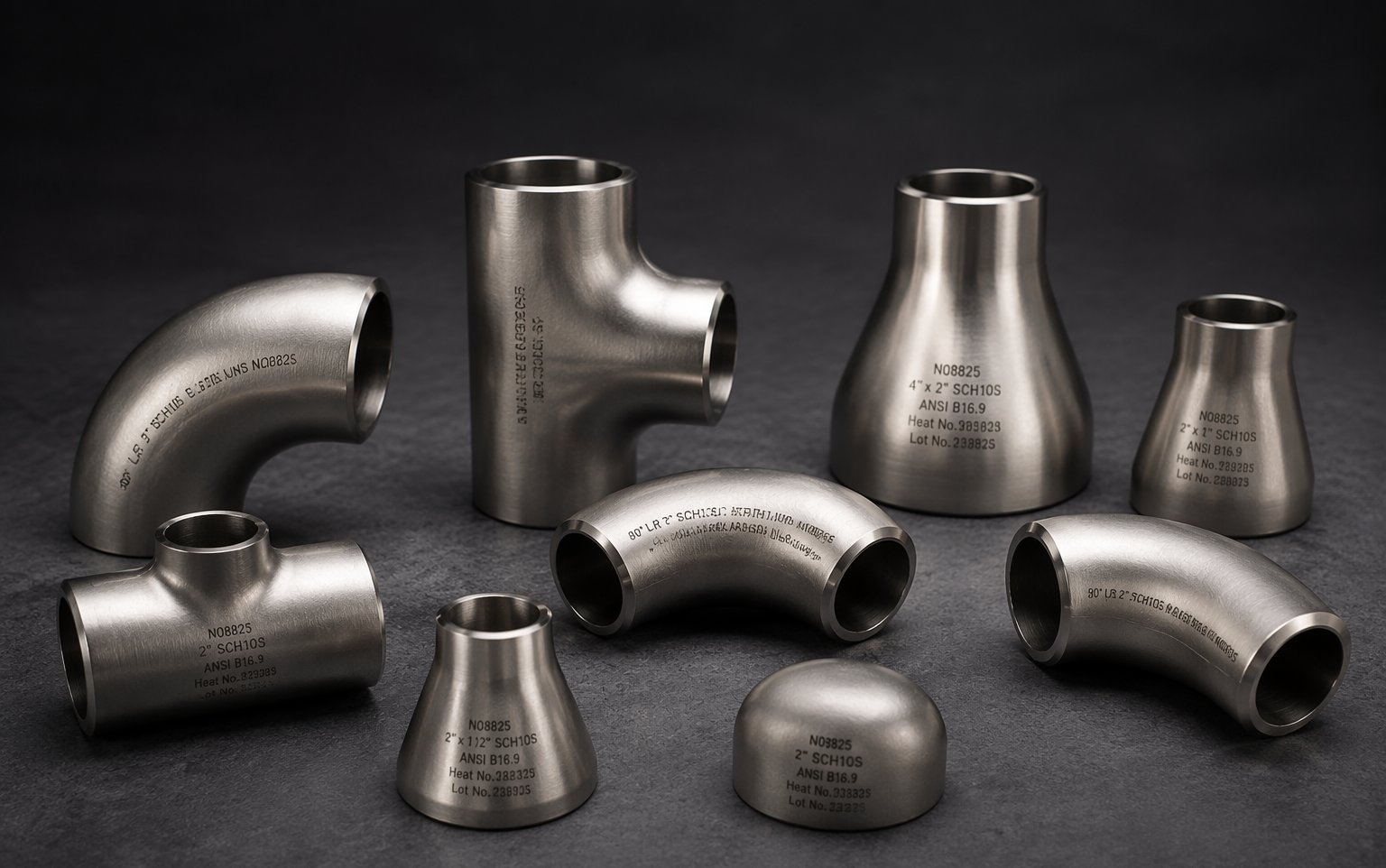
Hastelloy C-22 vs. C-276: The Chemical Industry's Toughest Choice
C-276 is the famous one; C-22 is often the better one. Oxidizing vs. reducing chemistry decides — here's how to tell which side your process is on.
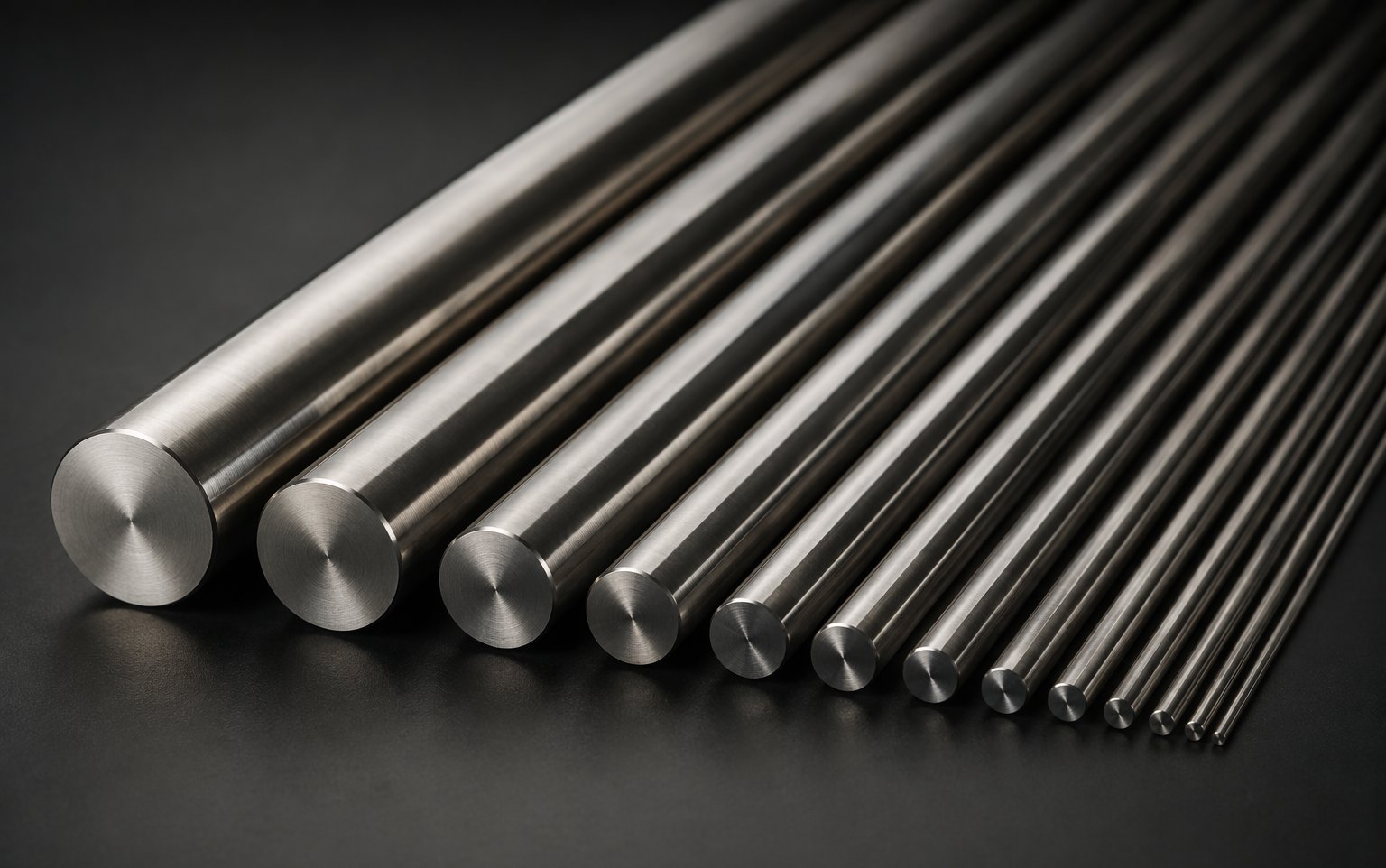
Inconel 718 vs. 625 in Aerospace: Strength, Temperature and the 650 °C Wall
718 is the most-used superalloy on Earth; 625 is the most trusted. The 650 °C boundary between them is the most important line in aerospace materials.
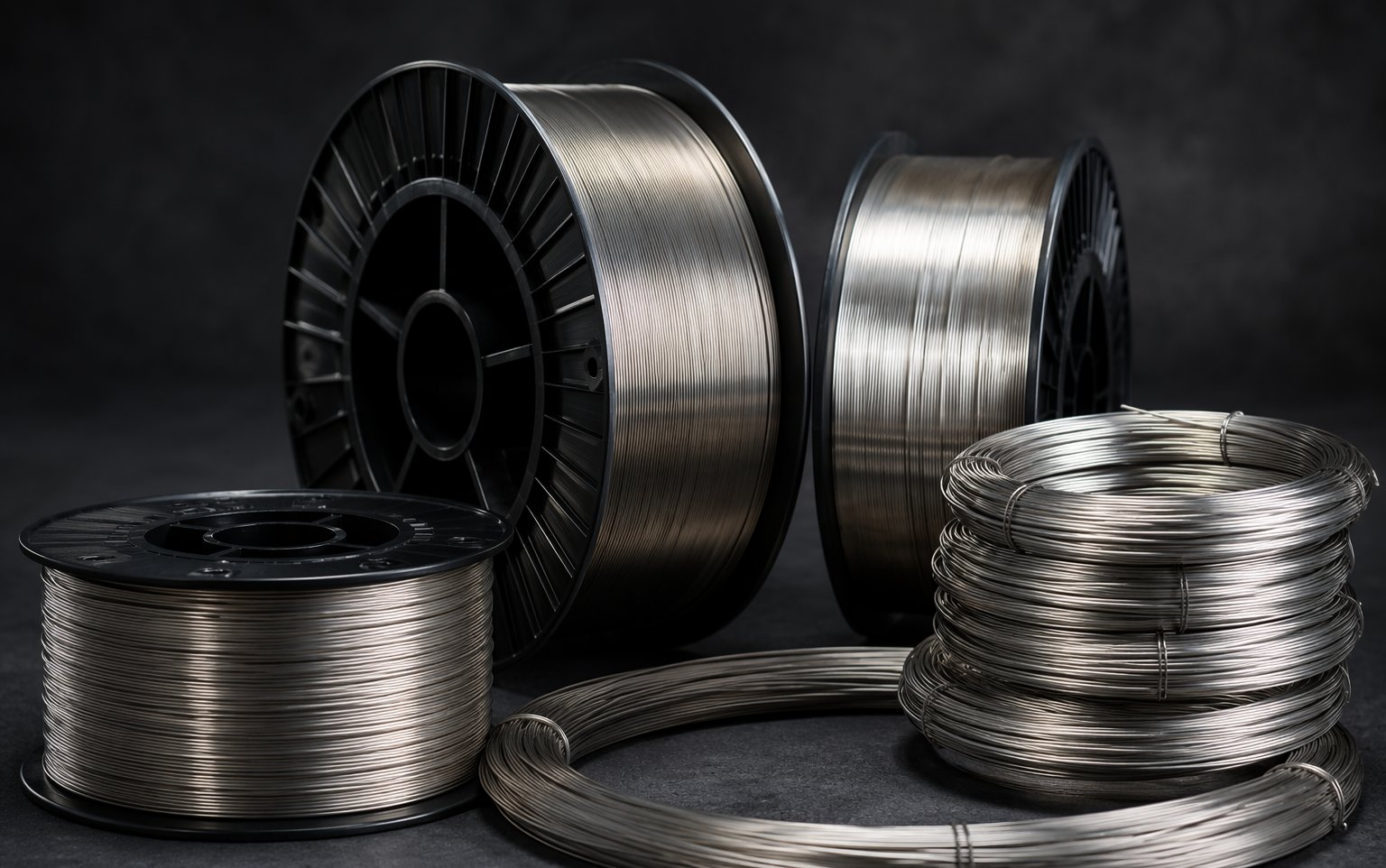
Welding Nickel Alloys: Filler Selection, Heat Input and the Mistakes That Crack Welds
Nickel alloys weld beautifully — if you respect three rules. Filler matching, heat input control and cleanliness decide whether the joint outlasts the pipe.
Machining Nickel Alloys: Speeds, Tooling and Why They Work-Harden Against You
Nickel alloys aren't hard to machine — they're hard to machine twice. Tool geometry, feed discipline and coolant strategy from our shop floor.
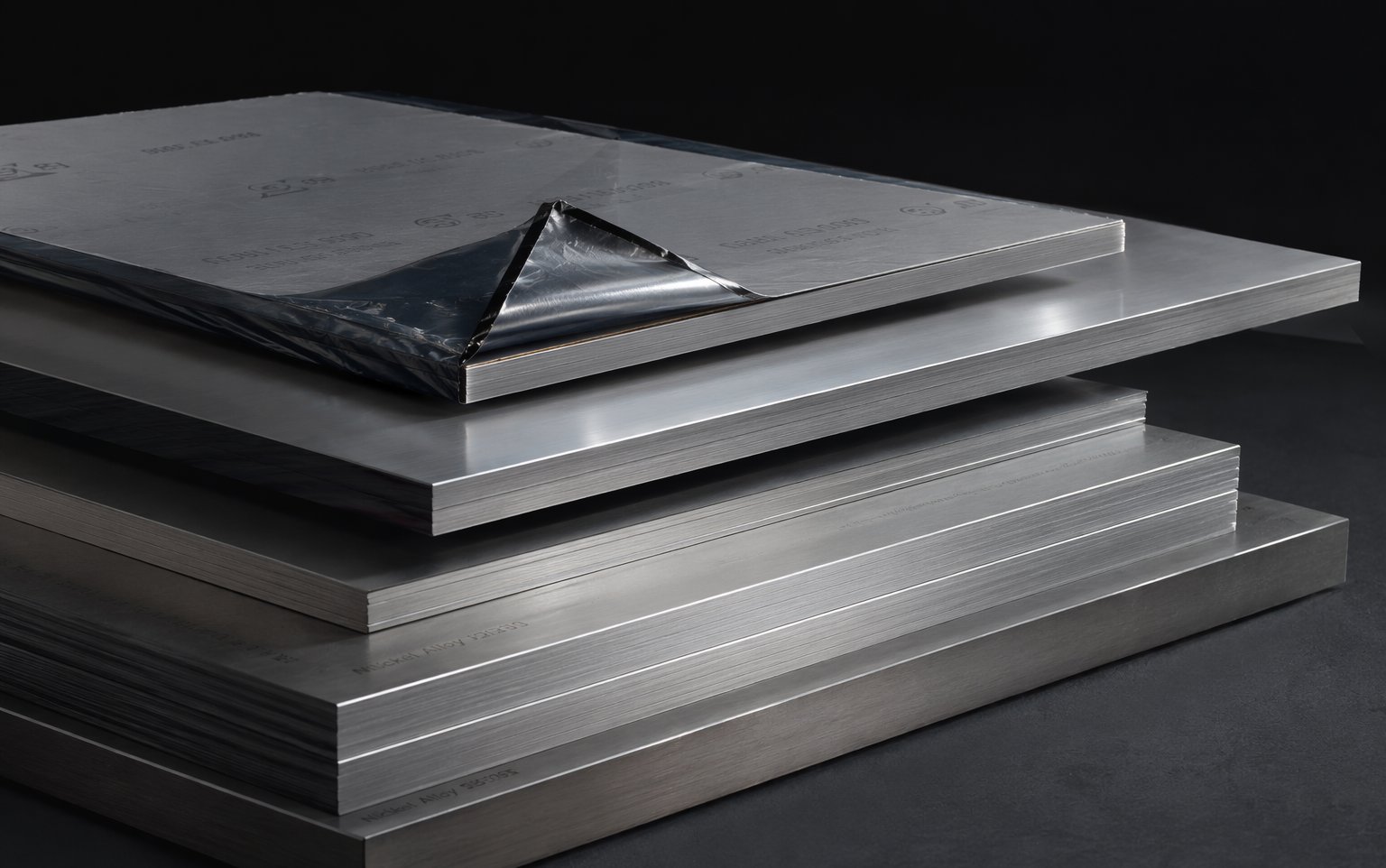
Heat Treatment of Nickel Alloys: Solution Anneal, Aging and What Your PO Must Specify
The same alloy can be delivered soft, hard, or ruined — depending on heat treatment. What the terms mean and what to write on your purchase order.
PREN Explained: The One Number That Predicts Pitting Resistance (and Its Limits)
Pitting Resistance Equivalent Number lets you rank alloys for chloride service in seconds — if you know what it measures and what it ignores.
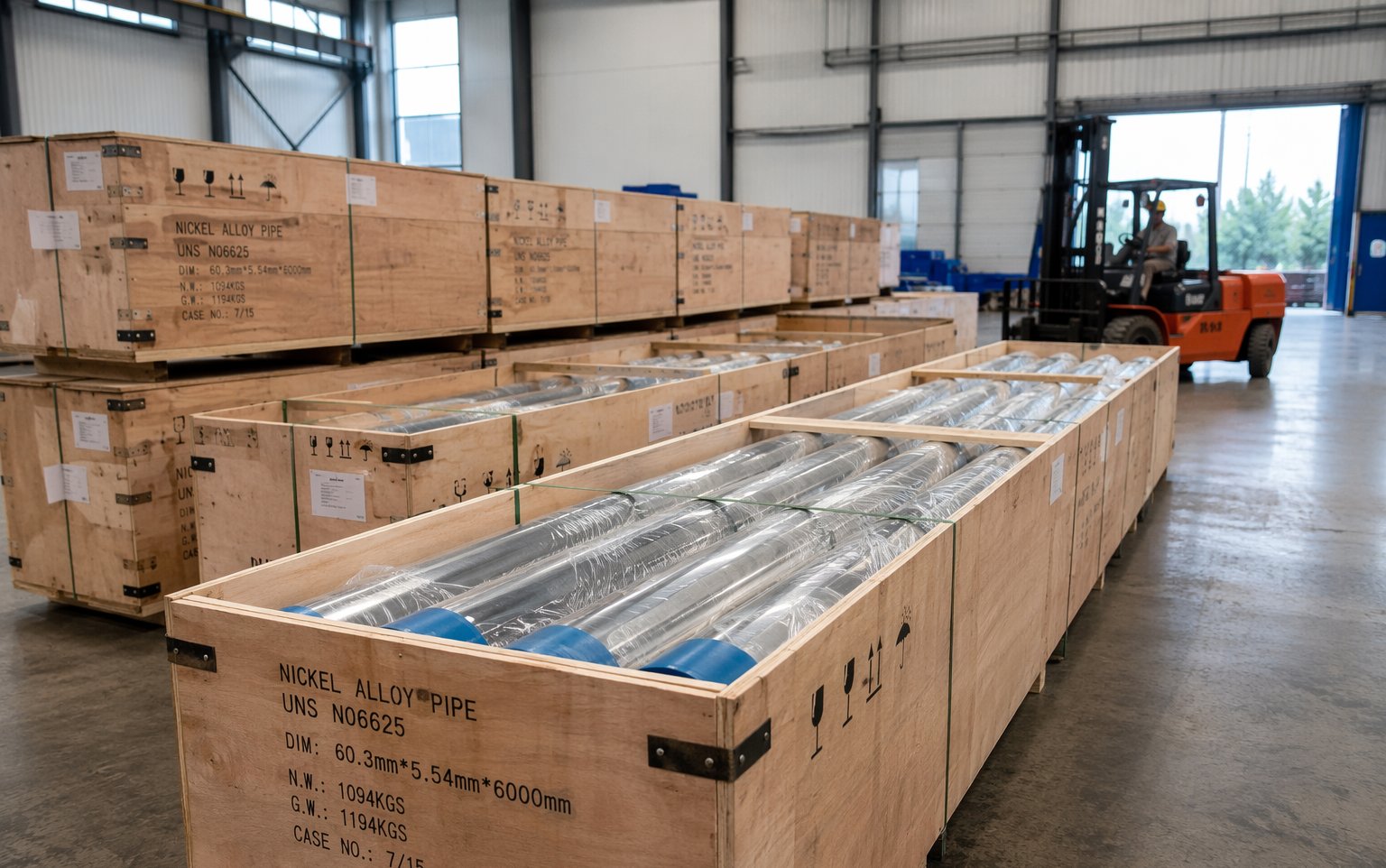
Sourcing Nickel Alloys from China: A Buyer's Risk Checklist That Actually Works
China supplies a growing share of the world's nickel alloy — at real savings, with real risks. The 8-point verification process we run on ourselves.
What Drives Nickel Alloy Prices: LME Nickel, Molybdenum and the Surcharge System
Why your quote moved 12% since last quarter — and how to time, hedge and structure nickel alloy purchases intelligently.
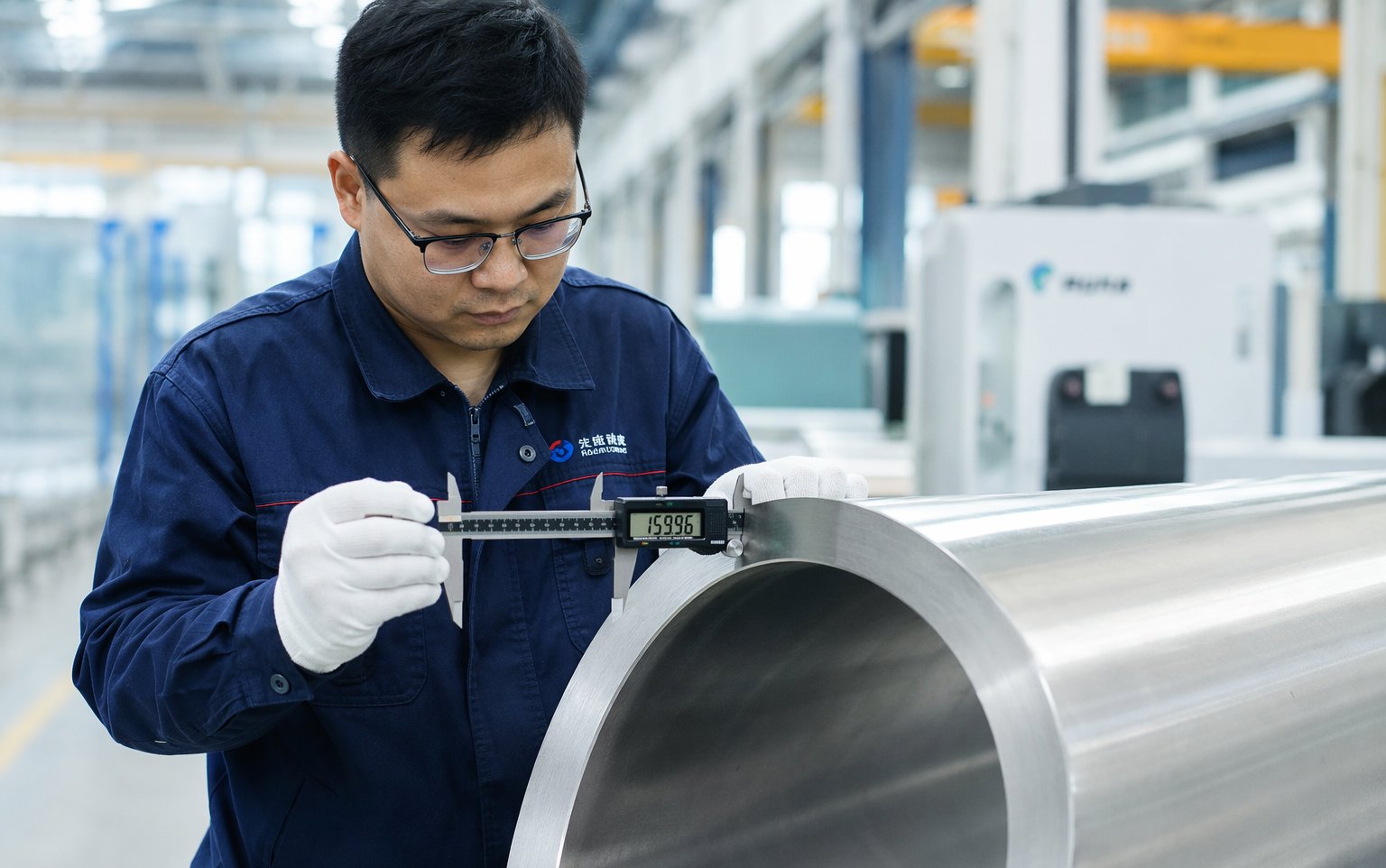
MTC vs. CoC: Why a Certificate of Conformance Is Not a Mill Test Certificate
Three letters of difference, one lawsuit of consequence. What each document proves, what it doesn't, and which one your application requires.
Nickel Alloys for Subsea Oil & Gas: Where 625, 825 and 925 Earn Their Keep
Three kilometers down, seawater outside and sour crude inside — the material decisions behind risers, umbilicals and downhole hardware.
Inconel 625 vs. Hastelloy C-276: Which Alloy for Your Service?
A metallurgist's side-by-side: chemistry, strength, corrosion performance, weldability and cost — plus the decision rule we use with buyers.
MTC EN 10204 3.1 vs 3.2: What Buyers Must Check Before Accepting Material
The mill test certificate is your only legal proof of what you bought. Here's how to read one — and the 5 checks that catch 95% of certificate problems.
Seamless vs. Welded Nickel Alloy Pipe: An Honest Engineering Comparison
Welded pipe costs 20–35% less — so when is seamless non-negotiable? The pressure, temperature and corrosion rules we give our own customers.
How to Choose a Nickel Alloy Grade: The 5 Questions Our Metallurgists Ask
Skip the 40-page handbooks. Answer these five questions and the right grade family usually selects itself.
Why Nickel Alloys Resist Corrosion: The Chemistry in Plain English
What chromium, molybdenum, copper and niobium each actually do inside the alloy — and why no single element works alone.