What Drives Nickel Alloy Prices: LME Nickel, Molybdenum and the Surcharge System
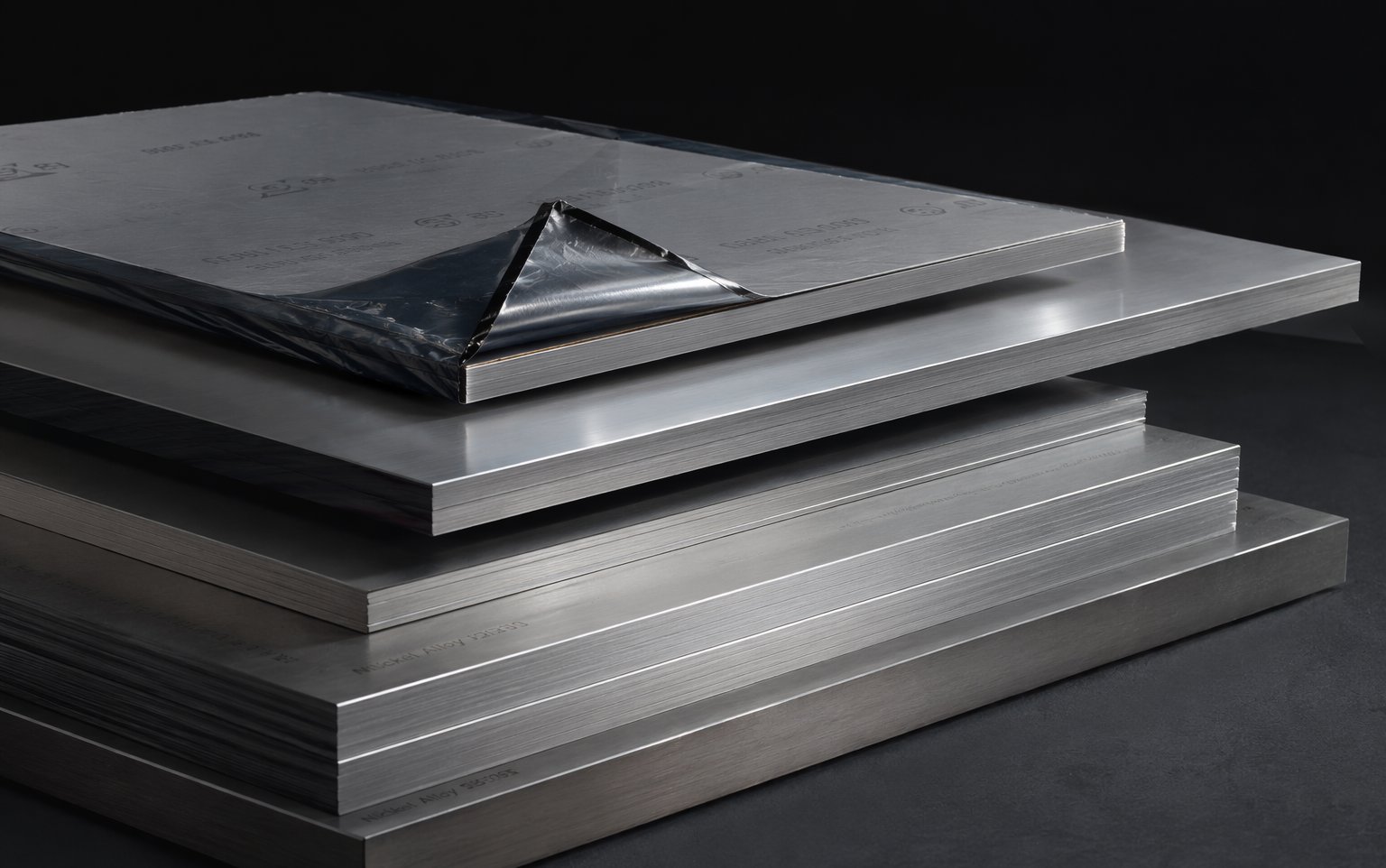
Nickel alloy pricing confuses buyers because it moves on multiple clocks at once: the LME nickel price (daily), molybdenum and chromium (weekly/monthly), mill capacity (quarterly) and energy costs. Understanding the structure won't make alloys cheap — but it will make your quotes predictable and your timing smarter.
The alloy surcharge mechanism
Mills price most nickel alloys as a base price + alloy surcharge. The surcharge is a transparent formula: each element's percentage × its market price, summed monthly. When LME nickel moves, the surcharge moves. For a 60%-nickel alloy, roughly 60% of the metal value tracks the LME directly — which is why alloy prices feel volatile even when the mill's conversion cost is stable.
The elements that actually move your quote
- Nickel (LME): the dominant driver for everything in this catalog. Historically the LME has swung between roughly $15,000 and $45,000/t in recent years — a 3× range that flows straight into pricing.
- Molybdenum: small percentages, big impact. C-276 at 16% Mo and 625 at 9% Mo feel every moly spike; Monel 400 (no Mo) doesn't.
- Chromium, iron, niobium, cobalt: secondary but real — niobium especially for 625/718.
Why high-alloy grades move more
The more alloy content, the more of the price is raw material and the less is conversion cost. A doubling of nickel moves a Nickel 200 price far more than an Incoloy 800 price. This also explains why C-276 (nickel + moly + tungsten) can decouple from 625 (nickel + moly + niobium) when one element runs.
Practical buying tactics
- Ask for quote validity windows. We hold quotes firm for a stated period tied to the surcharge month — use it to lock pricing during approval cycles.
- Time large orders to surcharge resets. Buying just after a downward monthly adjustment captures the fall immediately.
- Consider scheduled releases. For programs, lock a quantity with quarterly releases priced on a defined surcharge formula — you get budget predictability and we get production planning. Everyone wins.
- Compare total landed cost, not mill price. Freight, duty, inspection and lead-time risk belong in the comparison. A 3% cheaper quote with 4 extra weeks of lead time is usually more expensive.