Welding Nickel Alloys: Filler Selection, Heat Input and the Mistakes That Crack Welds
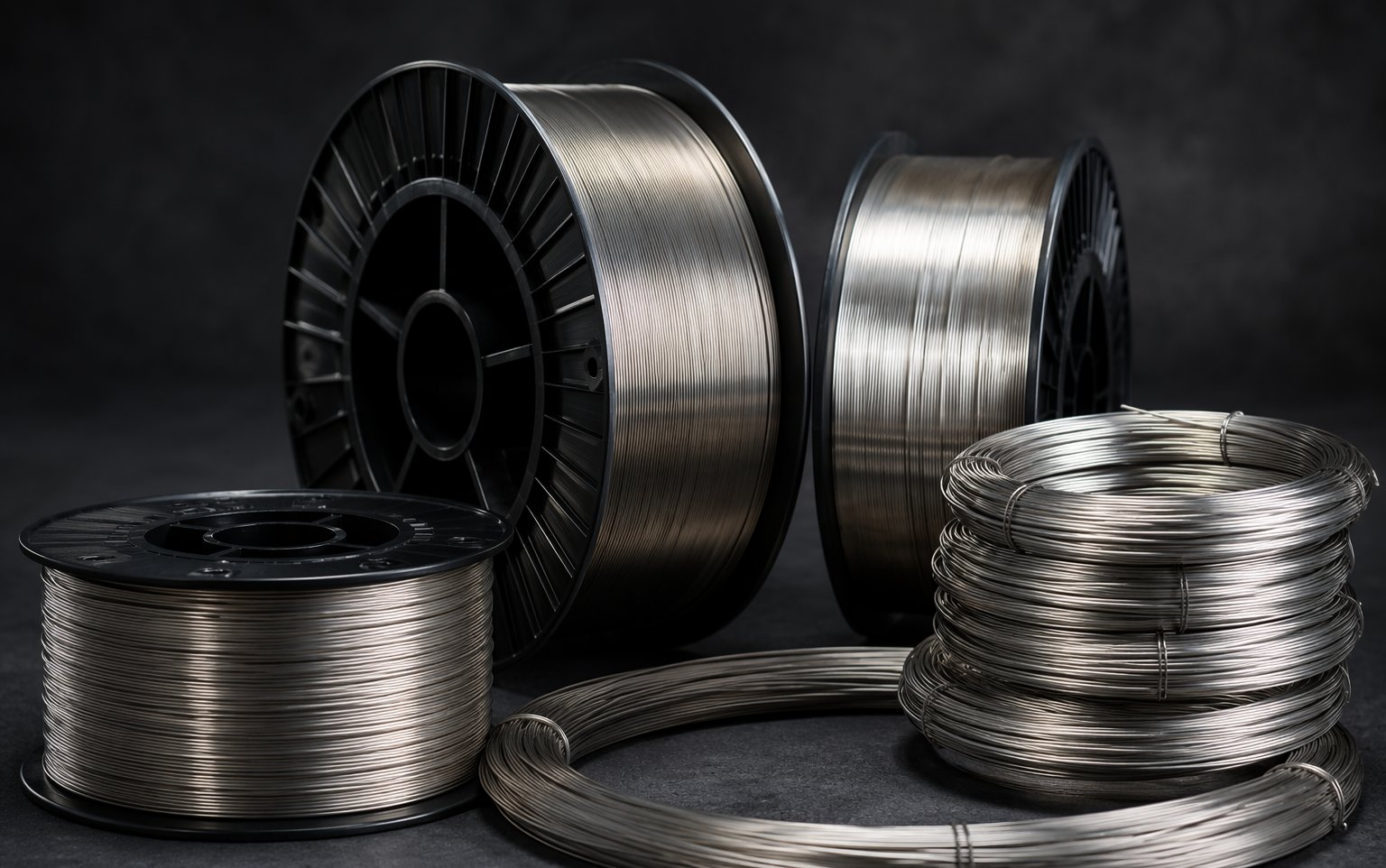
Fabrication shops either love nickel alloys or fear them, and the difference is almost always procedure discipline. The metallurgy is forgiving; the process is not. Here is the condensed version of the welding guide we give customer fabrication teams.
Rule 1: Match the filler to the service, not just the base metal
- 625 → ERNiCrMo-3. Also the universal dissimilar-metal filler — welding 625 to stainless, or stainless to carbon steel, usually uses 625 filler.
- C-276 → ERNiCrMo-4; C-22 → ERNiCrMo-10. In mixed service the C-22 filler often wins even on C-276 joints.
- Monel 400 → ERNiCu-7. Never use a Cr-bearing filler on Monel — it invites cracking.
- 825 → ERNiFeCr-1 (alloy 65) for corrosion matching.
- 718 → matching 718 filler, and plan post-weld heat treatment — the weld zone loses the aged strength until re-treated.
Rule 2: Heat input is a corrosion variable, not just a distortion variable
Keep heat input low (typically under 1.5 kJ/mm) and interpass temperature under 150 °C. Overheating does two kinds of damage: it grows the heat-affected zone where carbides and intermetallics precipitate (killing corrosion resistance locally), and it raises hot-cracking risk. Stringer beads, no weaving, no exceptions on corrosion-critical joints.
Rule 3: Cleanliness is non-negotiable
Sulfur, lead, phosphorus and oil cause hot cracking in nickel alloys at concentrations that would be harmless on carbon steel. Degrease before welding, use dedicated stainless brushes, and keep the nickel work area physically separated from carbon steel grinding — embedded iron particles become rust spots and pitting sites in service.
The mistakes we actually see in failed joints
- Carbon steel wire brush or shared grinding discs → embedded iron → pitting initiation sites.
- High heat input "to make it flow" → HAZ sensitization → knife-line attack in acid service.
- Wrong filler for dissimilar joints (308L on stainless-to-625) → diluted, crack-sensitive weld metal.
- Skipped purge on the root side → sugared root → crevice corrosion starter notch.